
How Many Games Do You Need For Your Company Picnic?
Find the right balance for your guest list, venue, and event.
You’ve booked the park, sorted out the food and sent the invitation. Now comes a surprisingly tricky question: How many games does a company picnic actually need?
If you book too few games, the most popular ones may have a lineup all afternoon. But if you book too many, you could end up paying for a sprawling game zone that your team never fully uses.
The right number depends partly on attendance, but guest count is only the beginning. Your venue, schedule, game selection and the kind of atmosphere you want to create all matter.
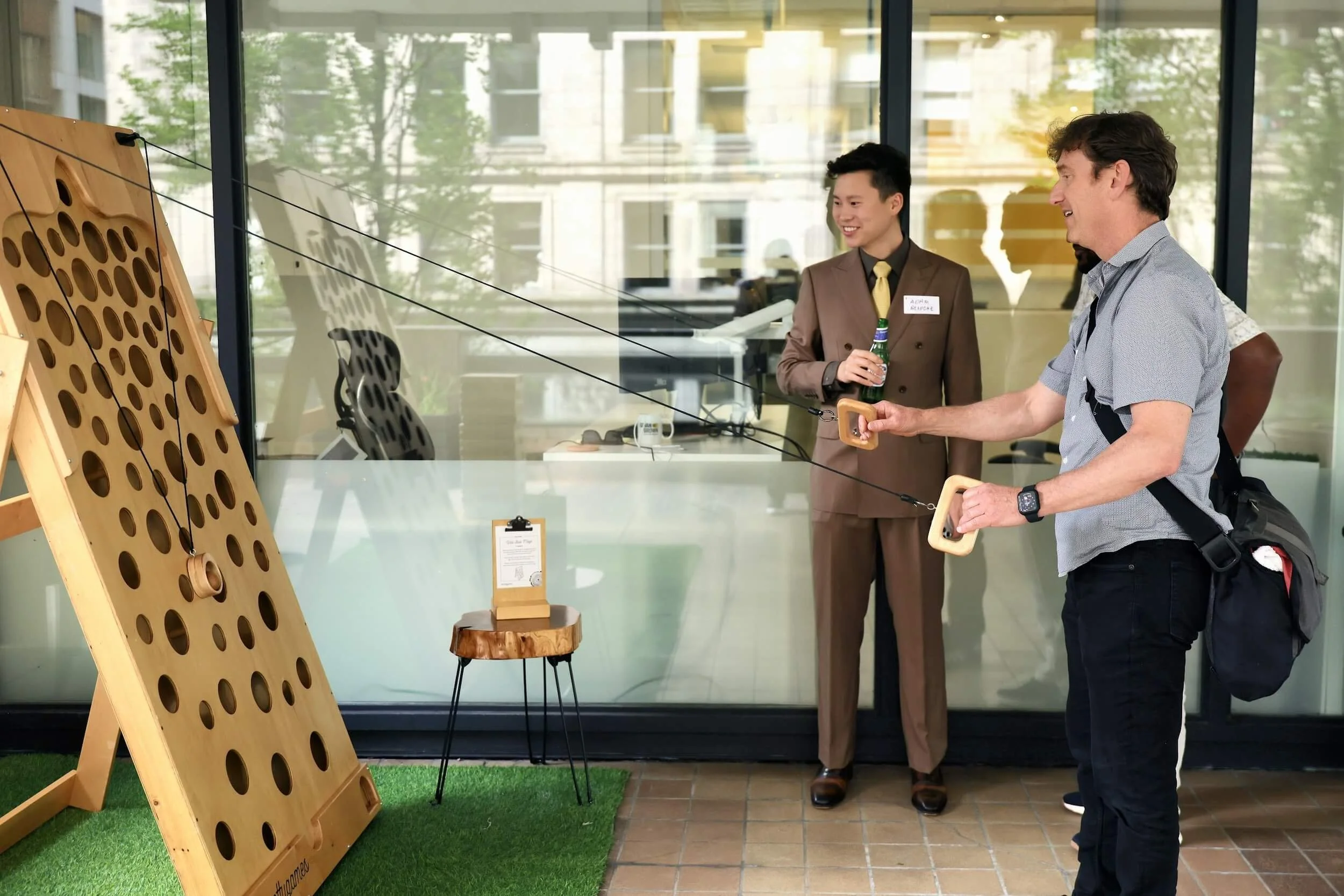
Make sure your next event has the right number of games with a personalized package from Knotty Games.
The Quick Answer
Here is how to find the right balance without turning your company picnic into a math problem.
| Number of Guests | Suggested Number of Games |
|---|---|
| Fewer than 40 | 5 to 6 games |
| 40 to 80 | 6 to 8 games |
| 80 to 150 | 10 to 12 games |
| More than 150 | 12 to 16 or more games |
Obviously, these numbers aren’t strict rules. A relaxed picnic where people come and go may need fewer games than a structured event where the games are part of the main event.
The kinds of games you choose can also change the equation. A quick game of Pucket moves guests through faster than a full round of bocce, while games such as Plinko can attract a crowd even when only one person is actively playing.
Use the ranges as a starting point, then adjust them using these 5 factors.
1. Start with the Number of People Who Will Actually Play
Attendance and participation are not always the same thing.
A company picnic for 100 employees doesn’t necessarily need enough games for all 100 people to play at once. Some guests will be eating, talking, arriving late, supervising children or simply watching from the sidelines.
Think about how central the games will be to the event.
If they are one activity among food, music and conversation, you may only need enough games for a quarter of your guests to participate at a time.
If the games are the main attraction or part of a scheduled team challenge, you’ll need a larger setup that can accommodate more people at once.
It also helps to consider your team. Some groups will turn anything into an intensely competitive tournament. Others may prefer a few casual rounds between conversations.
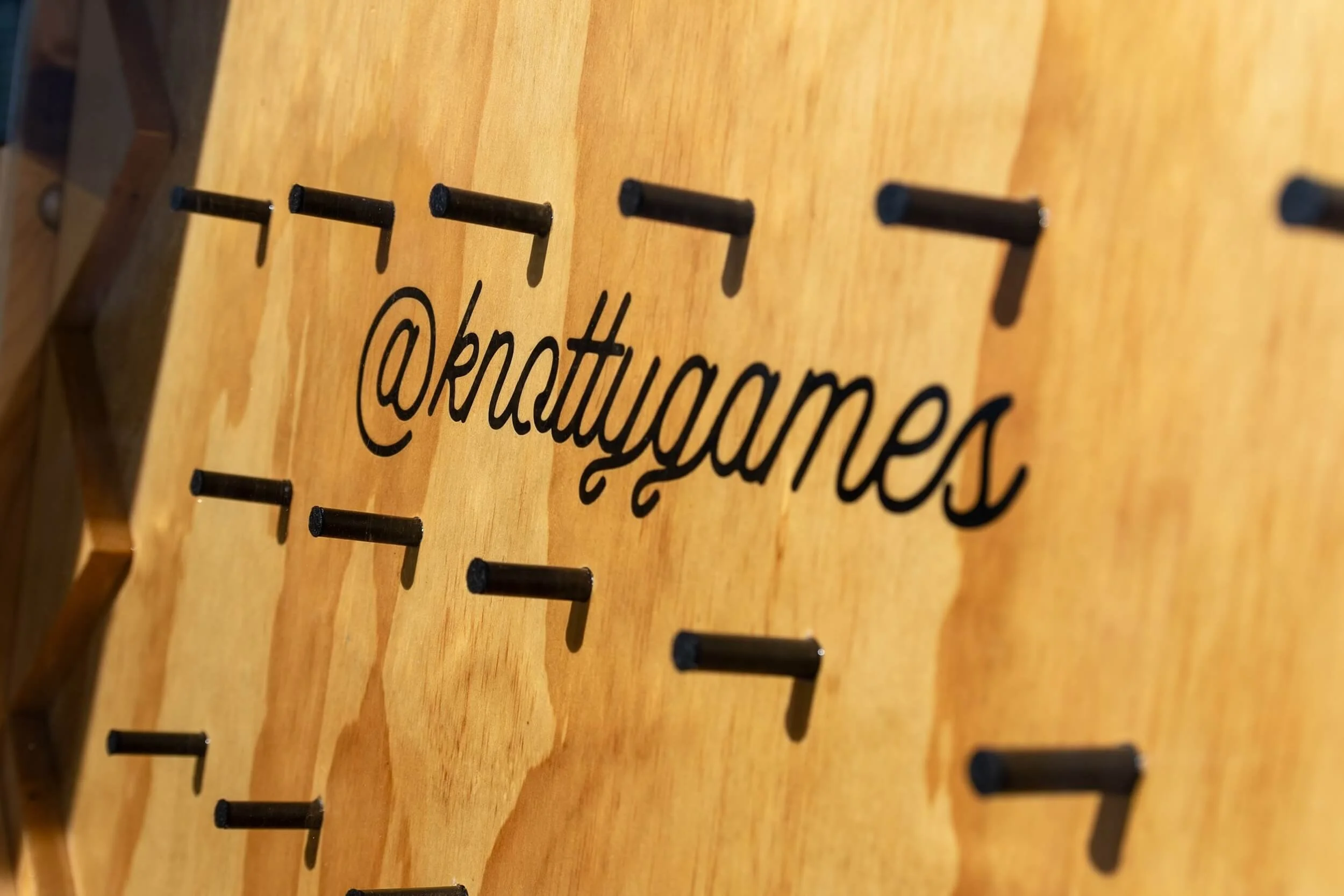
Not all games are considered equal. Be sure to take into account the amount of time each game can take.
2. Consider How Long Each Game Takes
Not every game moves at the same speed.
Quick head-to-head games can serve several groups in a short period. Longer activities may occupy the same players for ten or fifteen minutes.
A good company picnic has a good mix of both of these types of games.
Fast games help prevent long waits and give hesitant guests an easy way to try something. Longer games encourage people to settle in, form teams, and spend more time together.
When choosing your lineup, aim for a mix of:
Quick games that take only a few minutes
Familiar games guests understand immediately
Longer games involving strategy or skill
Activities that are entertaining to watch
Low-pressure options people can play while having a conversation
A varied setup helps distribute guests across the game zone rather than sending everyone to the same familiar option.
3. Match the Games to the Event Format
How you plan to use the games will affect how many you need.
Open play
With open play, guests move between activities whenever they like. This is the most flexible format and works well for relaxed company picnics.
Because everyone will not be playing at once, you can usually stay near the lower end of the recommended range.
Team tournament
A tournament can give the afternoon more structure, but it also requires enough games to keep teams moving.
Using several games at once prevents the event from stalling while everyone waits for one match to finish. You can also create stations and have teams rotate through them.
Drop-in event
If employees and their families will arrive at different times, focus on games that are quick to understand and easy to join.
You may not need a large number of games, but variety becomes more important. New arrivals should be able to find an activity without waiting for a scheduled round.
Festival-style picnic
Large company celebrations often include food stations, music, family activities and several entertainment areas.
For this format, games should form one visible zone within the larger event. More games, duplicate sets and clear pathways can help the area accommodate a steady flow of guests.
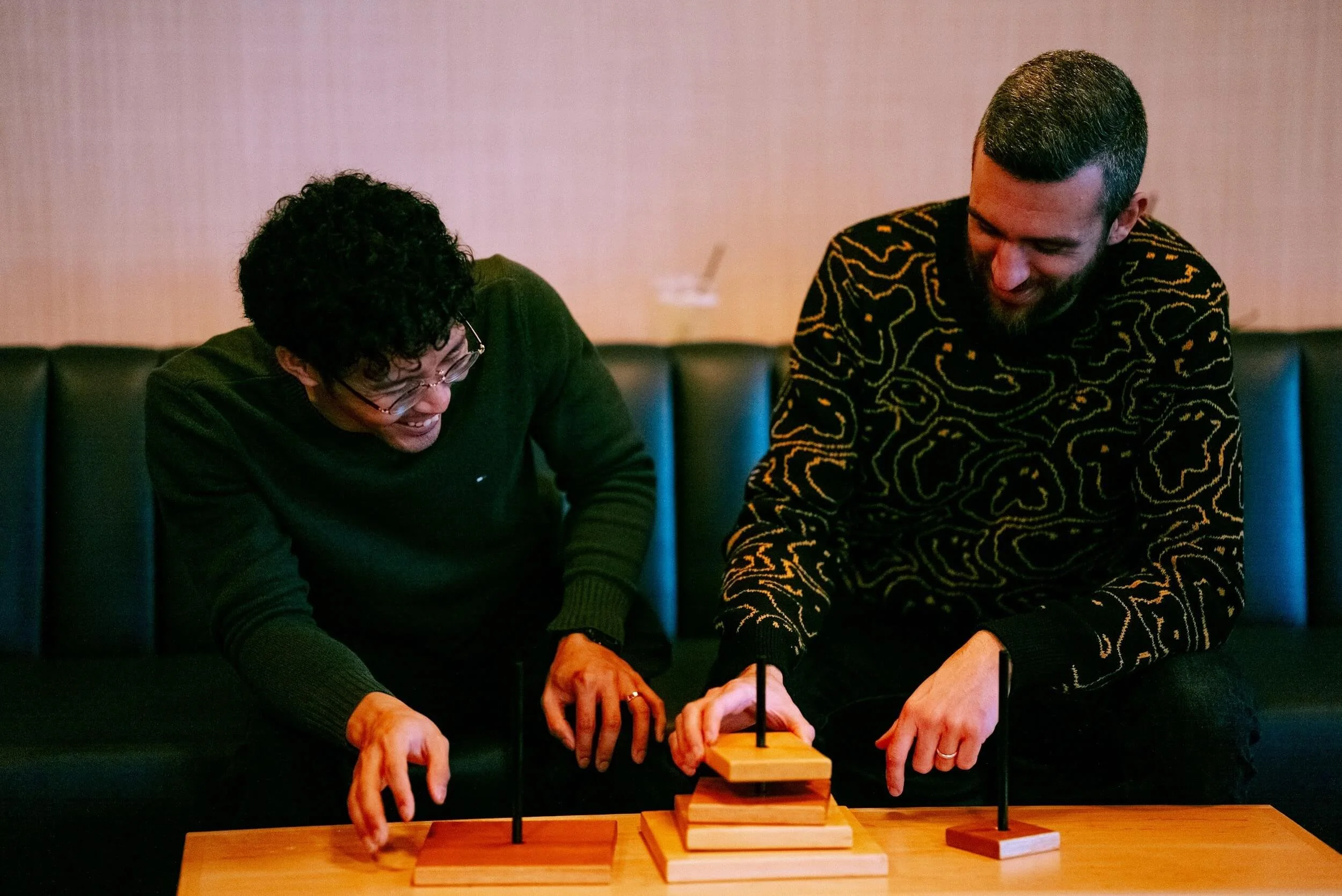
Some games can be played on a space as small as a coffee table.
4. Think About the Space Before the Guest Count
A larger package won’t improve the event if the games are squeezed together.
Before deciding how many to rent, look at the usable area rather than the venue’s total size. Picnic tables, food service, walkways, tents, trees and other activities can quickly reduce the available space.
Games involving throwing or rolling need enough distance between players and nearby foot traffic. Others work comfortably in a smaller area but may attract spectators who also need room to stand. We offer small-sized games like:
And also medium-sized games such as:
Pro tip: Try to create a defined game zone that is:
Visible from the main picnic area
Close enough to feel like part of the event
Clear of food lines and busy walkways
Large enough for players and spectators
Set up on an appropriate surface
Easy to move under cover if the weather changes
Leaving a little breathing room between games will usually create a better experience than fitting in one or two extra activities.
5. Build the Right Mix
Once you know roughly how many games you need, the next step is choosing them.
Instead of selecting five versions of the same activity, give guests different ways to play.
A balanced five-game setup might include:
One familiar favourite: Cornhole or Giant Jenga
One quick head-to-head game: Pucket
One game with visual appeal: Giant Connect 4 or Plinko
One slower skill game: Bocce or Ladder Golf
For larger events, expand each category rather than simply adding games at random.
This gives guests a mix of speed, strategy, familiarity and competition. It also makes the game zone more welcoming for people who are not naturally drawn to the loudest or most competitive activity.
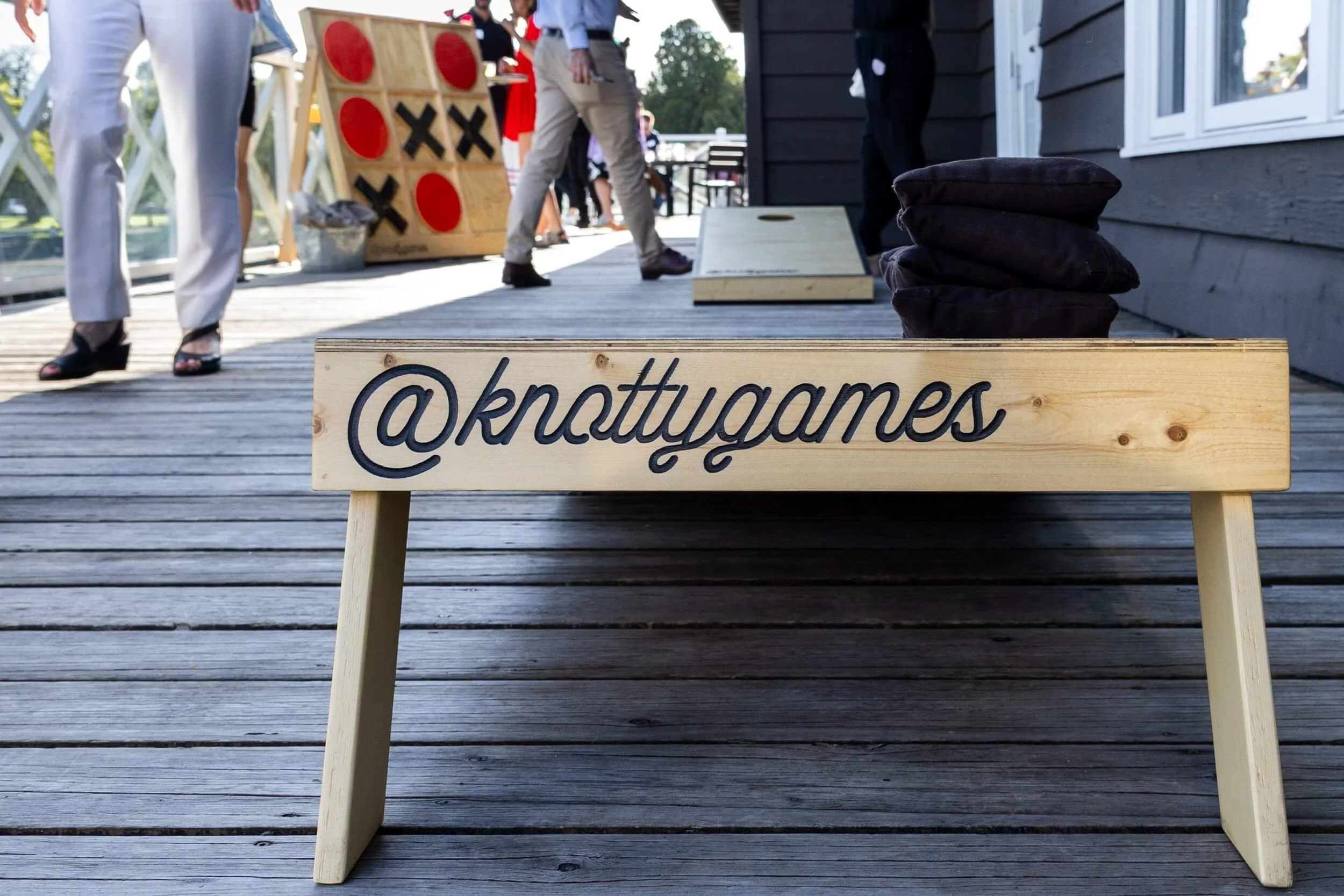
There’s no limit to the amount of combinations you can use to set up your space.
Sample Setups for Different Company Picnics
There’s no single setup that works for every company picnic. Here are some sample setups to think about as you plan your event.
Small team picnic
Guest size: 40 or fewer
Recommended number of games: 5-6
Choose activities that are easy to learn and different from one another. A mix of Cornhole, Giant Jenga, Pucket, Ring Toss and Rebound gives guests several ways to participate without taking over the venue.
This kind of setup works well when games are one part of a relaxed afternoon.
Mid-sized company picnic
Guest size: 40-80
Recommended number of games: 6-8
At this size, variety becomes more important. Include enough quick games to prevent waiting, along with a few longer activities that encourage teams to form.
You may also want to create a loose tournament or offer a simple prize for the day’s reigning champion.
Large staff event
Guest size: 80-150
Recommended number of games: 10-12
Include a mix of classic and signature games, and consider using multiple sets of highly familiar options. Clear signage and instruction cards will help guests begin playing without waiting for someone to explain every rule.
A game attendant can also help organize challenges, teach unfamiliar games and keep the area moving.
Festival-sized company celebration
Guest size: More than 150
Recommended number of games: 12-16
At this scale, think less about individual games and more about the overall experience.
Can guests enter the game zone from more than one direction? Are the most popular activities spread apart? Is there enough room for teams and spectators? Will someone be available to reset games and encourage participation?
The setup should feel like a destination within the event rather than a collection of equipment placed on the grass.
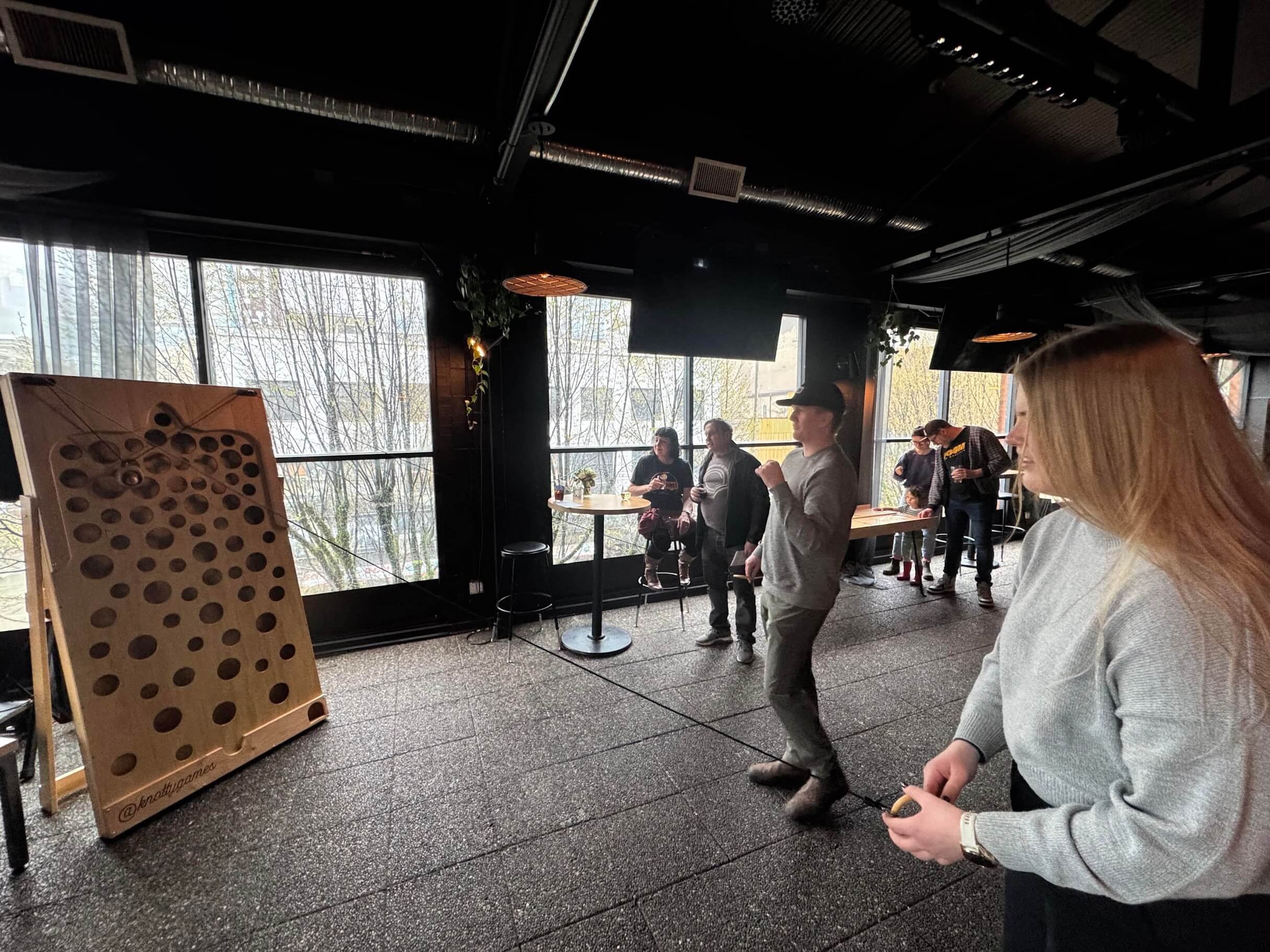
Make sure your game zone doesn’t fall prey to these common mistakes.
Avoid These Common Mistakes
A few simple missteps can leave guests waiting, make the game zone feel repetitive, or keep people from joining in at all.
Booking only familiar games
Recognizable games make participation easier, but relying only on the classics can make the setup feel predictable.
Include a few favourites, then add something guests may not have tried before.
Choosing quantity over variety
Eight similar games do not necessarily offer a better experience than five carefully selected ones. Give guests different styles of play rather than more versions of the same challenge.
Placing games too far away
A beautiful patch of unused lawn may look like the perfect game area, but guests may ignore it if it feels disconnected from the food and seating. It’s important to keep the games visible and within the natural flow of the picnic.
Making every activity mandatory
Games should give employees an easy way to connect, not create another obligation. Leave room for people to participate at their own pace.
Forgetting about the weather
With how rainy it can get in Vancouver, it’s always worth knowing which games can be moved under a tent, onto a covered patio or into an indoor backup space.
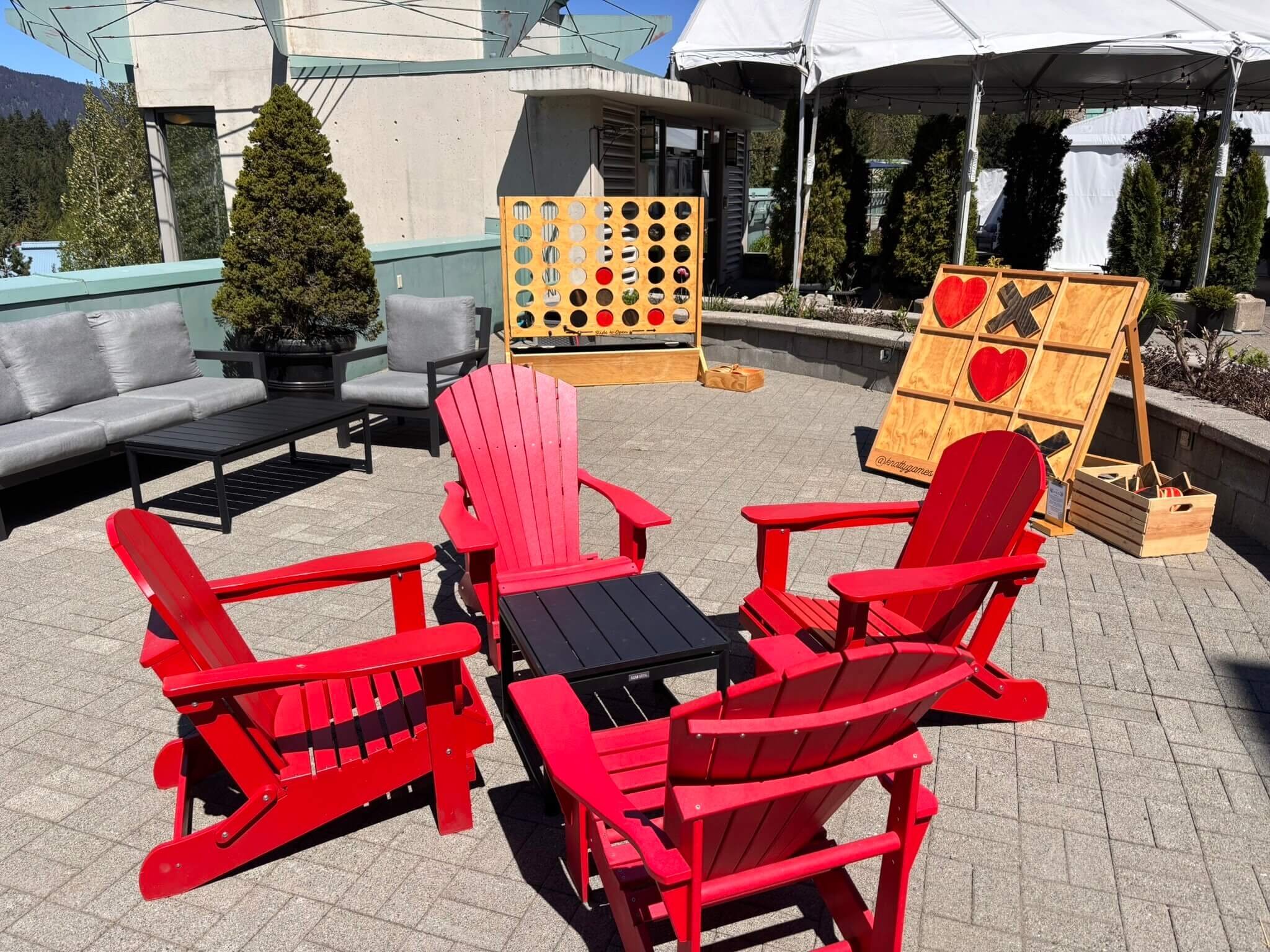
Knotty Games is here to help you design your perfect game zone.
What If You’re Still Not Sure?
At Knotty Games, we want to make choosing your games almost as easy as playing them.
Our four curated packages have been thoughtfully assembled to give guests a balanced mix of familiar favourites, quick competition and standout games:
Classic 5 offers a versatile lineup of 5 games for smaller gatherings.
Party 8 adds more variety with 6 classic games and 2 signature games.
Celebration 12creates a larger, high-energy game zone with 8 classic games and 4 signature games.
Signature 16brings the full Knotty Games experience to large corporate events and festival-style celebrations with 10 classic games and 6 signature games.
Each package takes some of the guesswork out of planning, but it doesn’t have to be one-size-fits-all. You can choose one of our curated combinations, build your own package from the Knotty Games fleet, or reach out for a personalized recommendation.
Tell us about your guest count, venue and the atmosphere you want to create, and we’ll help you find a setup that works for you.
Find the Right Balance for Your Company Picnic
The ideal number of games isn’t simply one game for every ten guests.
It’s the number that keeps people participating without overwhelming the venue, creates enough variety for different personalities and fits naturally into the rest of the event.
Start with your guest count, then consider the schedule, space and pace of play. A carefully selected collection will almost always create a better experience than filling every available patch of grass.
Knotty Games provides handcrafted indoor and outdoor game rentals for company picnics and corporate events throughout Greater Vancouver, the Lower Mainland and the Sea to Sky Corridor.
Browse our game rental packages or contact us at info@knottygames.ca or 778.788.4084 for a personalized recommendation.
